
Latest News

Promoting a Healthy Lifestyle – Building Brighter Futures

a16z generative ai

Hippocratic AI raises $141M to staff hospitals with clinical AI agents

Story Partners with Stability AI to Empower Open-Source Innovation for Creators and Developers

a16z generative ai

Meanwhile, Kristina Dulaney, RN, PMH-C, the founder of Cherished Mom, an organization dedicated to solving maternal mental health challenges, helped to create an AI agent that’s focused on helping new mothers navigate such problems with postpartum mental health assessments and depression screening. The startup was initially focused on creating generative AI chatbots to support clinicians and other healthcare professionals, but has since switched its focus to patients themselves. Its most advanced models take advantage of the latest developments in AI agents, which are a form of AI that can perform more complex tasks while working unsupervised. Despite rapid advancements in AI, creators in open-source ecosystems face significant challenges in monetizing derivative works and securing proper attribution.

Story, the global intellectual property blockchain, has announced its integration with Stability AI’s state-of-the-art models to revolutionize open-source AI development. This collaboration enables creators, developers, and artists to capture the value they contribute to the AI ecosystem by leveraging blockchain technology to ensure proper attribution, tracking, and monetization of creative works generated through AI. Andreessen Horowitz, or a16z, is investing in AI and biotech to lead the way in innovation.

Your vote of support is important to us and it helps us keep the content FREE.

In a statement, Raspberry AI said the funding would be used to accelerate its product development and add top engineering, sales and marketing talent to its team. But with U.S. companies raising and/or spending record sums on new AI infrastructure that many experts have noted depreciate rapidly (due to hardware/chip and software advancements), the question remains which vision of the future will win out in the end to become the dominant AI provider for the world. Or maybe it will always be a multiplicity of models each with a smaller market share? That’s followed by more extensive evaluations and safety assessments by an extensive network of more than 6,000 nurses and 300 doctors, who will confirm that it passes all required safety tests.

a16z generative ai

Once the AI agent is up and running, the clinicians who created it will be able to claim a share of the revenue it generates from the startup’s customers. Currently the technology is being used by Under Armour, MCM Worldwide, Gruppo Teddy and Li & Fung to create and iterate apparel, footwear and accessories styles. The company’s existing investors Greycroft, Correlation Ventures and MVP Ventures also joined in the round, along with notable angel investors, including Gokul Rajaram and Ken Pilot. Clearly, even as he espouses a commitment to open source AI, Zuck is not convinced that DeepSeek’s approach of optimizing for efficiency while leveraging far fewer GPUs than major labs is the right one for Meta, or for the future of AI.

Raspberry AI secures 24 million US dollars in funding round

Story is the world’s intellectual property blockchain, transforming IP into networks that transcend mediums and platforms, unleashing global creativity and liquidity. By integrating Stability AI’s advanced models, Story is taking a significant step toward building a fair and sustainable internet for creators and developers in the age of generative AI. Hippocratic AI said it’s necessary to have clinicians onboard because they have, over the course of their careers, developed deep expertise in their respective fields, as well as the practical insights to help cure specific medical conditions and the clinical workflows involved.

Investing in Raspberry AI – Andreessen Horowitz

Investing in Raspberry AI.

Posted: Mon, 13 Jan 2025 08:00:00 GMT [source]

Story aims to bridge this gap by combining Stability AI’s cutting-edge technology with blockchain’s ability to secure digital property rights. For example, creators could register unique styles or voices as intellectual property on Story with transparent usage terms. This would enable others to train and fine-tune AI models using this IP, ensuring that all contributors in the creative chain benefit when outputs are monetized.

One click below supports our mission to provide free, deep, and relevant content.

Holger Mueller of Constellation Research Inc. said Hippocratic AI is bringing two of the leading technology trends to the healthcare industry, namely no-code or low-code software development and AI agents. The launch is a bold step forward in healthcare innovation, giving clinicians the opportunity to participate in the design of AI agents that can address various aspects of patient care. It says clinicians can create an AI agent prototype that specializes in their area of focus in less than 30 minutes, and around three to four hours to develop one that can be tested. Shah said the last nine months since the company’s previous $50 million funding round have seen it make tremendous progress. During that time, it has received its first U.S. patents, fully evaluated and verified the safety of its first AI healthcare agents, and signed contracts with 23 health systems, payers and pharma clients.

a16z generative ai

For instance, one of its AI agents is specialized in chronic care management, medication checks and post-discharge follow-up regarding specific conditions such as kidney failure and congestive heart failure. The healthcare-focused artificial intelligence startup Hippocratic AI Inc. said today it has closed on a $141 million Series B funding round that brings its total amount raised to more than $278 million. “This round of financing will accelerate the development and deployment of the Hippocratic generative AI-driven super staffing and continue our quest to make healthcare abundance a reality,” he promised. Raspberry AI, the generative AI platform for fashion creatives, has secured 24 million US dollars in Series A funding led by Andreessen Horowitz (a16z). Today, we’re going in-depth on blockchain innovation with Robert Roose, an entrepreneur who’s on a mission to fix today’s broken monetary system. Hippocratic AI’s early customers include Arkos Health Inc., Belong Health Inc., Cincinnati Children’s, Fraser Health Authority (Canada), GuideHealth, Honor Health, Deca Dental Management, LLC, OhioHealth, WellSpan Health and other well-known healthcare systems and hospitals.

By incorporating this wisdom into its AI agents, it’s making them safer and improving patient outcomes, it said. Crucially, any agent created using its platform will undergo extensive safety training by both the creator and Hippocratic AI’s own staff. Every clinician will have access to a dashboard to track their AI agent’s performance and use and receive feedback for further development.

a16z generative ai

All these indicate the commitment a16z has in shaping the future of technology and healthcare through strategic investments. Both platforms use Stability AI’s models to bring creators’ visions to life and Story’s blockchain technology to enable provenance and attribution throughout the creative process. These real-world applications highlight how creators can safeguard their intellectual property while thriving in a shared creative economy. Raspberry AI offers brands and manufacturing creative teams technology solutions, which can help accelerate each stage of the fashion product development cycle to increase speed to market and profitability while reducing costs. Andreessen Horowitz, or a16z, is one of the leading AI investors and targets only innovative startups. They participated in the round that funded Anysphere on January 14, 2025, with a total sum of $105 million for an AI coding tool known as Cursor, whose valuation has reached $2.5 billion.

Onyxcoin (XCN) Market Trends and Ozak AI’s Contribution to AI-Driven Blockchain

In order to ensure its AI agents can do their jobs safely, Hippocratic AI says it only works with licensed clinicians to develop them, taking steps to verify their qualifications and experience first. Once clinicians have built their agents, they’ll be submitted to the startup for an initial round of testing. Through the Hippocratic AI Agent App Store, healthcare organizations and hospitals will be able to access a range of specialized AI agents for different aspects of medical care.

a16z generative ai

The startup was co-founded by Chief Executive Officer and serial entrepreneur Munjal Shah and a group of physicians, hospital administrators, healthcare professionals and AI researchers from organizations including El Camino Health LLC, Johns Hopkins University, Stanford University, Microsoft Corp., Google and Nvidia Corp. PIP Labs, an initial core contributor to the Story Network, is backed by investors including a16z crypto, Endeavor, and Polychain. Co-founded by a serial entrepreneur with a $440M exit and DeepMind’s youngest PM, PIP Labs boasts a veteran founding executive team with expertise in consumer tech, generative AI, and Web3 infrastructure. The startup has also created other AI agents for tasks like pre- and post-surgery wound care, extreme heat wave preparation, home health checks, diabetes screening and education, and many more besides. The startup said its AI Agent creators include Dr. Vanessa Dorismond MD, MA, MAS, a distinguished obstetrician and gynecologist at El Camino Women’s Medical Group and Teal Health, who helped to create an AI agent that’s focused on cervical cancer check-ins and enhancing patient education. According to the startup, the objective of these AI agents is to try and solve the massive shortage of trained nurses, social workers and nutritionists in the healthcare industry, both in the U.S. and globally.

TechBullion

The same day, a16z also led a Series A investment in Slingshot AI, which has raised a total of $40 million to create a foundation model for psychology. Those investments highlight the commitment of the group to using AI to address important issues and are also focusing on how AI can improve different industries, including healthcare and consumer services. In general, a16z is committed to supporting AI innovations that could have a profound impact on society. We are thrilled to see our models used in Story’s blockchain technology to ensure proper attribution and reward contributors,” said Scott Trowbridge, Vice President of Stability AI. Others include Kacie Spencer, DNP, RN, the chief nursing officer at Adtalem Global Education Inc., who has more than 20 years of experience in emergency nursing and clinical education. Her AI agent is focused on patient education for the proper installation of child car seats.

It participated in an Anysphere round that had the company raising $105 million on January 14, 2025, when it pushed the valuation up to $2.5 billion. Beyond this, it has also released a $500 million Biotech Ecosystem Venture Fund with Eli Lilly to place a focus on health technologies, but with the aspect of innovative applications. On the same day, they led a Series A investment in Slingshot AI, a company that’s developing advanced generative AI technology for mental health. Additionally, a16z invested in Raspberry AI to bring generative AI to the front of fashion design and production. In December 2024, they envisioned a future in which AI was used aggressively in nearly all sectors.

  • The startup said its AI Agent creators include Dr. Vanessa Dorismond MD, MA, MAS, a distinguished obstetrician and gynecologist at El Camino Women’s Medical Group and Teal Health, who helped to create an AI agent that’s focused on cervical cancer check-ins and enhancing patient education.
  • Andreessen Horowitz, or a16z, is one of the leading AI investors and targets only innovative startups.
  • Hippocratic AI said it’s necessary to have clinicians onboard because they have, over the course of their careers, developed deep expertise in their respective fields, as well as the practical insights to help cure specific medical conditions and the clinical workflows involved.
  • It says clinicians can create an AI agent prototype that specializes in their area of focus in less than 30 minutes, and around three to four hours to develop one that can be tested.

портал о Форекс Брокерах. Отзывы трейдеров, рейтинги компаний.

18 лучших форекс-брокеров и торговых платформ в Беларуси 2024 г

брокеры рб с лицензией

Лучшие брокеры для скальпинга обеспечивают высокую скорость выполнения заявок и минимальное проскальзывание, позволяют клиентам управлять ордерами и использовать советников для автоматизированной торговли. Для контроля цены и открытия правильных позиций предлагаются расширенные графики и дополнительные инструменты для анализа. Наш список лучших Форекс брокеров в России поможет вам выбрать надежную платформу, подходящую для ваших торговых стратегий. Что нужно для успешной торговли у форекс брокеров Беларуси и с какими проблемами могут столкнуться трейдеры – в нашем новом материале wiki Masterforex-V.

ОСНОВЫ ТОРГОВЛИ FOREX

Тинькофф Инвестиции — брокерское подразделение известного банка с уклоном на новичков мира ценных активов. Клиентам предоставляется удобное мобильное приложение, полезные советы и несколько полезных торговых инструментов. Но продвинутым участникам торгов последних может оказаться недостаточно. Благодаря им существуют ТОПы брокеров в Беларуси, в которые попадают самые надежные, стабильные и ликвидные компании. Главное черпать информацию из объективных независимых источников.

Информация об облигациях

Кроме того, обучающие материалы и аналитика помогут развивать навыки и принимать осознанные торговые решения. Несмотря на “Закон о Форексе”, действующего с 2016 года, не все Форекс брокеры, работающие с российскими трейдерами, обязаны иметь лицензию ЦБ РФ. Да, многие зарубежные Форекс брокеры ушли с рынка, но многие и остались.

  • Кроме местного регулирования, есть и другие надзорные органы, которые выдают разрешительные документы.
  • Среди международных брокеров популярны такие компании, как AMarkets, InstaForex и Alpari.
  • Рейтинг лучших брокеров для трейдинга в Казахстане основан исключительно на оценках реальных пользователей.
  • В случае с полным управлением портфелем брокер устанавливает годовую ставку от инвестированной суммы.
  • К сожалению, исходя из нашего опыта, на рынке брокерских услуг иногда встречаются недобросовестные компании.

Топ-5 белорусских брокеров с лицензией НБ РБ в 2025 году

брокеры рб с лицензией

Кроме предоставления доступа к торговым инструментам и рынкам, многие современные Форекс компании в Беларуси дают возможность пройти обучение или получать последние аналитические сводки о рынках. Сегодня платформы предлагают торговлю с разницей между ценами Bid и Ask от 0 пунктов. Необходимо учитывать, что если спред плавающий, то он ниже при обычных условиях торговли и выше, если выходят важные новости.

ТОЧКИ ОТКРЫТИЯ И ЗАКРЫТИЯ СДЕЛОК НА РЫНКЕ ФОРЕКС / FOREX

брокеры рб с лицензией

Более того, жалобы трейдеров / инвесторов могут привести к удалению платформы из рейтинга. Такой “предохранитель” защищает клиентов от брокеров, которые в определенный момент перестают соответствовать требованиям регулятора и клиентов. FIBO Group подойдет для различных типов трейдеров, включая начинающих и опытных. Широкий выбор счетов и торговых платформ позволяет каждому трейдеру найти подходящее решение.

На нашем сайте доступен список брокерских компаний из Беларуси, многие из которых достойны внимания. Остается лишь изучить список, почитать обзор и отзывы, а после принять решение. Некоторые белорусские брокерские компании могут предоставлять дополнительные опции, такие как обучение трейдингу и инвестированию, техническая поддержка, аналитика, прогнозы рынков и другие. В любом случае перед выбором брокера и его услуг необходимо ознакомиться с предложениями и условиями сотрудничества. Особенность https://forexby.com/ рейтинга — полная независимость, ведь в его основе лежат отзывы реальных инвесторов.

Тем не менее, количества действующих брокеров брокеры рб с лицензией достаточно для того, чтобы выбрать надежного партнера для проведения операций на различных рынках. Особенно, когда речь идет про набор услуг для начинающих трейдеров. Вести деятельность форекс-брокера под жесткой регуляцией Национального Банка Республики Беларусь является сложной задачей.

А сами депозитные средства, активы во владении и личные данные будут в безопасности. К услугам трейдеров — несколько типов счетов с низкими спредами, разрешенный скальпинг и быстрое исполнение сделок. Стабильная техническая платформа подкреплена обновляемой аналитикой, полезными сервисами и быстрым выводом средств. Для трейдеров доступны разные типы счетов под различные стили, конкурентные издержки без комиссии на депозит, удобные способы пополнения и вывода.

The Founding of YouTube A Short History

YouTube is one of the most influential platforms in modern media, but its origin story is surprisingly simple: a small team wanted an easier way to share video online. In the early 2000s, uploading and sending video files was slow, formats were inconsistent, and most websites weren’t built for smooth playback. YouTube’s founders focused on removing those barriers—making video sharing as easy as sending a link.

Who Founded YouTube?

YouTube was founded by three former PayPal employees: Chad Hurley, Steve Chen, and Jawed Karim. They combined product thinking, engineering skills, and a clear user goal: create a website where anyone could upload a video and watch it instantly in a browser.

  • Chad Hurley — product/design focus and early CEO role
  • Steve Chen — engineering and infrastructure
  • Jawed Karim — engineering and early concept support

The Problem YouTube Solved

At the time, sharing video often meant emailing huge files or dealing with complicated players and downloads. YouTube made video:

  1. Uploadable by non-experts (simple interface)
  2. Streamable in the browser (no special setup)
  3. Sharable through links and embedding on other sites

Early Growth and the First Video

YouTube launched publicly in 2005. One of the most famous early moments was the first uploaded video, “Me at the zoo,” featuring co-founder Jawed Karim. The clip was short and casual—exactly the kind of everyday content that proved the platform’s big idea: ordinary people could publish video without needing a studio.

Key Milestones Timeline

Year/Date
Milestone
Why It Mattered
2005 YouTube is founded and launches Introduced easy browser-based video sharing
2005 “Me at the zoo” is uploaded Became a symbol of user-generated video culture
2006 Google acquires YouTube Provided resources to scale hosting and global reach

Why Google Bought YouTube

By 2006, YouTube’s traffic was exploding. Video hosting is expensive—bandwidth and storage costs rise fast when millions of people watch content daily. Google’s acquisition gave YouTube the infrastructure and advertising ecosystem to grow into a sustainable business.

What YouTube’s Founding Changed

YouTube didn’t just create a popular website; it reshaped how people learn, entertain themselves, and build careers online. Its founding helped accelerate:

  • Creator-driven media and influencer culture
  • How-to education and free tutorials at massive scale
  • Music discovery, commentary, and global community trends

From a small startup idea to a global video powerhouse, YouTube’s founding is a classic example of a simple product solving a real problem—and changing the internet in the process.

How Can I Lose Weight Quickly?

woman walking on pier picture
"Is there a quick fix for weight loss?" This is a question many of us ask when we look in the mirror or step on the scale after the holidays or during periods of stress. With so many fad diets, pills, and so-called "miracle cures" flooding the internet, it’s easy to feel overwhelmed by the sheer amount of information.

Effective, Healthy, and Sustainable Weight Loss Tips

Introduction

“Is there a quick fix for weight loss?” This is a question many of us ask when we look in the mirror or step on the scale after the holidays or during periods of stress. With so many fad diets, pills, and so-called “miracle cures” flooding the internet, it’s easy to feel overwhelmed by the sheer amount of information. But here’s the truth: losing weight quickly and healthily requires more than following the latest trend. It takes a combination of science-backed strategies, lifestyle changes, and the right mindset.

In this post, we’ll delve into the science behind rapid weight loss, discuss why some methods are more effective than others, and share actionable steps you can take to achieve your weight loss goals. Whether you’re looking for short-term results or a long-term solution, we’ll break it all down for you.

Can you lose weight quickly? Yes, but let’s do it the right way—without jeopardizing your health or well-being.


person standing on a scale

1. Understanding Weight Loss: The Science Behind It

Before discussing quick fixes, it’s essential to understand the basics of weight loss. At its core, weight loss occurs when your body burns more calories than it consumes, a process known as a caloric deficit. When your body doesn’t get the calories it needs to sustain your current weight, it starts using stored fat for energy, resulting in weight loss.

But it’s not as simple as eating less or moving more. Other factors, such as hormones, metabolism, and lifestyle, play a significant role in how fast or slow you lose weight.

Key Concept: Caloric Deficit = Weight Loss
Your body burns calories every day through three main mechanisms:

  • Basal Metabolic Rate (BMR): The energy your body needs to maintain basic functions like breathing and circulating blood.
  • Physical Activity: Calories burned through movement and exercise.
  • Thermic Effect of Food: Calories burned from digesting and processing food.

2. Why Quick Weight Loss is Often a Challenge

Losing weight quickly often feels difficult for a few reasons. One of the primary reasons is metabolic adaptation. As you begin to lose weight, your metabolism slows down in response, making it harder to continue losing at the same rate. This is why many people hit weight loss plateaus.

Moreover, extreme calorie restrictions or fad diets can lead to muscle loss rather than fat loss, making future weight loss even more difficult. When you lose muscle, your metabolic rate decreases, slowing down your progress.

Common Challenges of Quick Weight Loss:

  • Metabolic slowdown
  • Muscle loss
  • Difficulty sustaining drastic lifestyle changes

3. Healthy Strategies to Lose Weight Fast

Now that you understand why rapid weight loss can be challenging, let’s focus on how to do it healthily and sustainably. These strategies will allow you to achieve noticeable results quickly without compromising your health.

4. The Role of Nutrition in Weight Loss

Nutrition is the foundation of any successful weight loss plan. To lose weight effectively, you need to create a caloric deficit, but it’s crucial to do this in a balanced way that provides your body with the nutrients it needs.

Caloric Deficit Explained

To lose one pound of body weight, it would be best to create a caloric deficit of about 3,500 calories. This means you should aim to consume fewer calories than you burn each day. However, drastically cutting calories can lead to fatigue, muscle loss, and nutritional deficiencies. A moderate caloric deficit of 500 to 1,000 calories daily is recommended for sustainable weight loss.

Macronutrients: The Key Players

To function properly, your body needs a balance of three main macronutrients—proteinsfats, and carbohydrates. Here’s how each macronutrient supports your weight loss efforts:

  • Proteins: Essential for muscle repair and growth. Consuming more protein can also increase the thermic effect of food, meaning you burn more calories digesting it.
  • Fats: Necessary for hormone production and brain health. Healthy fats, such as those from avocados and nuts, can keep you feeling full longer.
  • Carbohydrates: Your body’s primary source of energy. Choosing complex carbohydrates like whole grains and vegetables will provide lasting energy and prevent blood sugar spikes.

5. Incorporating Exercise for Maximum Impact

While nutrition plays a significant role, exercise is the other half of the equation. Exercise helps increase your caloric expenditure, supports muscle retention, and improves overall health.

Types of Exercise for Quick Weight Loss

  • Strength Training: Builds lean muscle, which helps burn more calories even at rest.
  • High-Intensity Interval Training (HIIT): Short bursts of intense activity followed by rest periods; known to burn more calories in less time.
  • Cardio: Activities like running, swimming, or cycling help improve cardiovascular health while burning calories.

A balanced combination of these types of exercises will help you maximize your results.


6. Hormone Optimization and Weight Loss

Hormones are critical in regulating metabolism, hunger, and fat storage. When hormones are out of balance, losing weight can become more challenging.

How Hormones Affect Your Weight

  • Insulin: Responsible for regulating blood sugar levels. When insulin levels are consistently high, fat storage can increase.
  • Cortisol: Known as the stress hormone, high cortisol levels can lead to weight gain, especially around the abdominal area.
  • Leptin and Ghrelin: These hormones control hunger and fullness. You may feel hungry even after eating when they’re out of balance.

Bio-identical Hormone Replacement Therapy (HRT) as a Tool

For individuals experiencing hormonal imbalances—often seen in those approaching menopause or dealing with thyroid conditions—bio-identical hormone replacement therapy (HRT) may be a game-changer. It can help restore optimal hormone levels, improve metabolism, and make weight loss more achievable. To learn more about HRT and how it may help you, visit our page on Bio-identical Hormone Replacement Therapy and schedule a consultation with Dr. P. John Schanen, APRN.


7. The Importance of Sleep and Stress Management

Most people overlook the importance of sleep and stress management in their weight loss journey. Poor sleep quality and high stress levels can disrupt hormones like cortisol and leptin, making it harder to lose weight.

  • Sleep: Aim for 7-9 hours of quality sleep per night to support hormone regulation and recovery.
  • Stress Management: Incorporate stress-relieving activities like meditation, yoga, or deep-breathing exercises to control cortisol levels.

8. Avoiding Common Pitfalls and Weight Loss Myths

It’s easy to get caught up in weight loss myths and misinformation. Here are some common pitfalls to avoid:

  • Fad diets often promise quick results but are unsustainable in the long term.
  • Skipping meals can lead to overeating later in the day and slow your metabolism.
  • Diet pills: Many weight loss supplements are unregulated and may not be practical or safe.

healthy food picture

9. Practical Tips for Quick and Sustainable Weight Loss

It’s time to take action. Here are practical, step-by-step tips for losing weight quickly and healthily.

Step-by-Step Guide

  1. Calculate Your Caloric Needs: Use a calorie calculator to determine your daily needs based on age, weight, and activity level.
  2. Create a Meal Plan: Focus on whole foods, lean proteins, healthy fats, and complex carbs.
  3. Incorporate Exercise: Aim for at least 150 minutes of moderate exercise per week, with strength training 2-3 times weekly.
  4. Monitor Your Progress: Keep track of your weight loss with a journal or app.
  5. Adjust as Needed: If you hit a plateau, consider adjusting your calorie intake or workout routine.

Sample Checklist

  • Calculate daily calorie needs
  • Plan balanced meals for the week
  • Schedule workout sessions
  • Get 7-9 hours of sleep each night
  • Reduce stress through mindfulness or relaxation techniques

10. Conclusion: Moving Forward With a Healthier Mindset

Losing weight quickly doesn’t mean you have to sacrifice your health or well-being. You can achieve your weight loss goals efficiently and sustainably by combining a balanced diet, regular exercise, hormone optimization, and good sleep habits. Remember, it’s not about perfection—making progress and choosing strategies that work best for you.

If you’re ready to take the next step in your weight loss journey, contact us at (210) 879-4275 to schedule an online, virtual wellness consultation with Dr. P. John Schanen, APRN. Our team at Sana Vida Wellness Center is here to support you, whether you’re in Texas, Colorado, Wyoming, Virginia, New Mexico, Arizona, or Florida.

Let’s work together to help you live a healthier, happier life!

Sana Vida Wellness Center Vertical logo

Unlocking the Secret to Losing Belly Fat

woman holding her abdomen

Is stubborn belly fat holding you back from feeling your best? You’re not alone. Many individuals struggle with excess abdominal weight, which isn’t just a cosmetic concern but also a significant health issue. In this guide, we’ll delve into effective strategies to help you shed unwanted belly fat and improve your overall wellness.


man doing push ups

Understanding Belly Fat

Belly fat isn’t just the pinchable layer beneath your skin (subcutaneous fat); it also includes visceral fat surrounding your organs. Visceral fat is particularly harmful, increasing the risk of type 2 diabetes, heart disease, and other health conditions.

Why Is Belly Fat So Stubborn?

  • Genetics: Your DNA can influence where your body stores fat.
  • Hormones: Hormonal imbalances can lead to increased abdominal fat.
  • Lifestyle Factors: Diet, physical activity, stress, and sleep play crucial roles.

Learn more about how wellness impacts your health.


The Role of Diet in Belly Fat Reduction

“You can’t outrun a bad diet.” This saying holds especially true when targeting belly fat. The foods you consume can contribute to fat accumulation or help you burn it.

Foods to Include

  • High-Fiber Foods: Oats, beans, fruits, and vegetables help you feel full longer.
  • Lean Proteins: Chicken, fish, tofu, and legumes support muscle growth and repair.
  • Healthy Fats: Avocados, nuts, and olive oil promote satiety and heart health.

Foods to Avoid

  • Sugary Beverages: Sodas and sweetened drinks are high in empty calories.
  • Processed Foods: Chips, cookies, and fast food often contain unhealthy fats and sugars.
  • Refined Grains: White bread and pasta can spike blood sugar levels.

The Science Behind It

A diet rich in whole foods helps regulate insulin levels. When elevated, insulin encourages fat storage, particularly around the abdomen.


Exercise: Moving Towards a Leaner Midsection

Physical activity is essential for burning calories and reducing belly fat. However, not all exercises are created equal when targeting abdominal fat.

Effective Exercises

  • Cardiovascular Workouts: Running, cycling, and swimming increase calorie burn.
  • Strength Training: Lifting weights builds muscle, boosting your metabolism.
  • High-Intensity Interval Training (HIIT): Short bursts of intense activity followed by rest periods are highly effective.

Why Exercise Matters

Muscle tissue burns more calories than fat tissue, even at rest. Increasing your muscle mass enhances your body’s ability to burn fat throughout the day.

Discover our weight loss management programs for personalized exercise plans.


Stress Management and Sleep

The Cortisol Connection

Chronic stress elevates cortisol levels, a hormone linked to increased appetite and fat storage, especially in the belly area.

Importance of Quality Sleep

Lack of sleep disrupts hunger hormones like ghrelin and leptin, leading to increased appetite and calorie intake.

Practical Tips

  • Mindfulness Practices: Meditation and deep-breathing exercises can reduce stress.
  • Sleep Hygiene: Maintain a consistent sleep schedule and create a restful environment.

Hormonal Imbalances and Belly Fat

Understanding Hormones

Hormones like insulin, cortisol, and sex hormones (estrogen and testosterone) play significant roles in fat distribution.

Hormone Replacement Therapy (HRT)

For some individuals, hormone replacement therapy can be a game-changer. Balancing hormones may reduce belly fat and improve overall wellness.

Learn about our hormone replacement therapy services and how they can help you.


Practical Steps to Get Started

Step 1: Assess Your Current Lifestyle

  • Keep a Food Journal: Track what you eat to identify patterns.
  • Monitor Physical Activity: Use a pedometer or fitness app.

Step 2: Set Realistic Goals

  • SMART Goals: Specific, Measurable, Achievable, Relevant, Time-bound.
  • Example: “I will walk 30 minutes daily, five days a week.”

Step 3: Implement Changes Gradually

  • Dietary Adjustments: Replace sugary drinks with water.
  • Increase Activity: Take the stairs instead of the elevator.

Step 4: Seek Professional Guidance

  • Medical Consultation: Identify any underlying health issues.
  • Personalized Plan: Work with a healthcare provider to tailor a plan to your needs.

Your Path to Wellness

Losing belly fat is more than a vanity project; it’s a journey towards better health. You can achieve lasting results by understanding the factors that contribute to abdominal fat and implementing strategic changes.

Remember: Consistency is vital. Small, sustainable changes often lead to significant long-term benefits.

Explore our wellness services to support your journey.


Schedule a Virtual Consultation Today

Ready to take the next step? Contact our clinic at (210) 879-4275 to schedule an online, virtual wellness consultation with Dr. P. John Schanen, APRN. We’re here to help you in Texas, Colorado, Wyoming, Virginia, New Mexico, Arizona, or Florida.

Visit our contact page to learn more.


Final Thoughts

Belly fat doesn’t have to be a permanent fixture in your life. You can achieve a healthier, happier you with the right approach to diet, exercise, stress management, and possibly hormone replacement therapy.


Empower yourself today. Take control of your health and start your journey towards wellness.


Check out our direct primary care page for more information on primary care services.

Sana Vida Wellness Center Vertical logo

Hormone Therapy Benefits for Postmenopausal Women

man and women in love because Hormone Therapy Benefits for Postmenopausal Women
Are you feeling the effects of aging more acutely after menopause? If you're like many women, you're probably familiar with the changes that come with this phase of life—energy levels drop, metabolism slows, and signs of aging seem to accelerate. But what if there was a way to feel biologically younger, even after menopause? Emerging research suggests that hormone therapy may be the key.

Understanding the Science of Biological Aging

Introduction:

Are you feeling the effects of aging more acutely after menopause? If you’re like many women, you’re probably familiar with the changes that come with this phase of life—energy levels drop, metabolism slows, and signs of aging seem to accelerate. But what if there was a way to feel biologically younger, even after menopause? Emerging research suggests that hormone therapy may be the key. A recent study highlighted by Managed Healthcare Executive shows that postmenopausal women who use hormone therapy may be biologically younger than those who don’t.

In this article, we’ll explore hormone therapy, how it affects aging, and the science behind its rejuvenating effects. We’ll also provide practical advice on how to incorporate hormone therapy into a broader wellness plan, discuss the role of expert-led guidance in managing these therapies, and provide you with the steps you can take to reclaim your health and vitality.


The Science Behind Hormone Therapy and Aging

What Is Hormone Therapy?

Hormone therapy (HT) involves the use of medications that contain female hormones to replace the ones the body no longer makes after menopause. It is commonly used to treat common menopausal symptoms, such as hot flashes and vaginal discomfort, but recent studies show it may have broader benefits, including slowing down biological aging.

The biological aging process is closely linked to telomeres, the protective caps at the ends of our chromosomes. Shortened telomeres are a marker of aging cells and are associated with various age-related diseases, including heart disease and osteoporosis. In the study mentioned earlier, researchers discovered that postmenopausal women who used hormone therapy had longer telomeres, which suggests they may be biologically younger than their peers who did not use hormone therapy.

How Does Hormone Therapy Impact Biological Aging?

  1. Telomere Length: As previously noted, telomere length is a crucial marker of biological aging. The study found that hormone therapy may preserve telomere length in postmenopausal women, essential for maintaining the integrity of cells and reducing the risk of age-related diseases.
  2. Cellular Function and Regeneration: Hormones like estrogen are pivotal in cellular regeneration and repair. By replenishing declining hormone levels through HT, women may support the body’s ability to regenerate cells, maintain tissue elasticity, and preserve overall bodily function.
  3. Bone Density and Heart Health: As women age, they face an increased risk of osteoporosis and cardiovascular disease. Estrogen helps to maintain bone density and has protective effects on heart health. Hormone therapy can play a critical role in supporting these areas, contributing to a healthier, more active lifestyle during the postmenopausal years.
picture of aging woman

Practical Benefits of Hormone Therapy for Wellness

Managing Menopausal Symptoms

For many women, the most immediate benefit of hormone therapy is the relief from common menopausal symptoms, such as:

  • Hot Flashes and Night Sweats: Hormone therapy has been shown to reduce the frequency and intensity of these symptoms, helping women sleep better and feel more comfortable during daily activities.
  • Mood Swings and Depression: Hormone fluctuations during menopause can trigger mood disorders, and hormone therapy may stabilize these swings, promoting mental health and emotional balance.
  • Vaginal Dryness and Discomfort: Hormone therapy helps alleviate vaginal dryness, discomfort during intercourse, and urinary symptoms, improving quality of life and intimate relationships.

Improving Skin Elasticity and Reducing Wrinkles

Estrogen plays a vital role in skin health, promoting the production of collagen and maintaining skin elasticity. As hormone levels decline, the skin becomes thinner and less resilient, leading to wrinkles and sagging. Hormone therapy can help slow these changes, resulting in firmer, more youthful-looking skin.

Supporting Metabolism and Weight Loss

Another common issue for postmenopausal women is weight gain, particularly around the abdomen. The loss of estrogen can lead to changes in fat distribution and metabolic rate. Hormone therapy may help counteract these effects, making it easier to manage weight, particularly when combined with a healthy diet and regular exercise. Women who are struggling with weight loss may benefit from incorporating hormone therapy into their treatment plans alongside personalized strategies such as weight loss management programs.


Hormone Therapy: A Key Component of Wellness

Integrating Hormone Therapy With Other Wellness Strategies

While hormone therapy can offer significant benefits for postmenopausal women, it works best when integrated into a broader wellness plan. Here’s how you can incorporate hormone therapy into your lifestyle to maximize its benefits:

  1. Diet and Nutrition: A balanced diet rich in antioxidants, vitamins, and minerals supports cellular health and can complement the effects of hormone therapy. To reduce inflammation and support heart and bone health, consider a diet high in leafy greens, lean proteins, and omega-3 fatty acids.
  2. Regular Exercise: Exercise is crucial for maintaining muscle mass, bone density, and heart health, all of which can decline post-menopause. Weight-bearing exercises such as walking, running, and strength training are particularly beneficial for women using hormone therapy, as they help enhance its positive effects on bone health and metabolic function.
  3. Mental Health Practices: Mindfulness, yoga, and meditation can help manage the emotional and psychological changes during menopause. Combining hormone therapy with mental health practices can result in a more balanced, holistic approach to wellness.
  4. Consultation with a Healthcare Provider: It is critical to work with a healthcare provider specializing in hormone replacement therapy, like Dr. P. John Schanen, APRN. A personalized approach will ensure the right dosage and type of hormone therapy is prescribed, tailored to your unique health needs and goals.

Is Hormone Therapy Right for You?

Understanding the Risks

While hormone therapy offers numerous benefits, it’s essential to understand that it is not suitable for everyone. Some risks associated with hormone therapy include:

  • Increased Risk of Breast Cancer: Some studies suggest a slight increase in breast cancer risk for women on hormone therapy, particularly for long-term use. However, this risk varies depending on the type of hormones used and the individual’s health history.
  • Blood Clots and Stroke: Estrogen therapy can increase the risk of blood clots, which may lead to stroke or pulmonary embolism. This is why it’s crucial to undergo thorough screening before starting hormone therapy.
  • Heart Disease: Hormone therapy may not be appropriate for women with a history of heart disease or high blood pressure. In such cases, lifestyle modifications and alternative treatments may be recommended instead.

Consulting a Professional for Personalized Advice

Every woman’s body is different, and what works for one person may not work for another. Consulting with a provider like Dr. P. John Schanen, APRN is essential for determining whether hormone therapy is the right choice for you. Through telemedicine consultations available to women in Texas, Colorado, Wyoming, Virginia, New Mexico, Arizona, and Florida, Dr. Schanen, APRN offers personalized hormone replacement therapy plans that align with your health goals and lifestyle.


Practical Steps for Starting Hormone Therapy

If you’re interested in exploring hormone therapy, here are some steps you can take to get started:

  1. Schedule a Wellness Consultation: Contact our clinic at (210) 879-4275 to schedule an online consultation with Dr. Schanen. During your consultation, we’ll assess your health status, discuss your symptoms, and determine if hormone therapy is the right option for you.
  2. Comprehensive Blood Work: Before starting hormone therapy, comprehensive blood tests are needed to evaluate your current hormone levels and health markers. This helps create a customized hormone therapy plan tailored to your needs.
  3. Follow-Up Care and Adjustments: Hormone therapy requires careful monitoring and adjustments to ensure optimal results. Regular follow-ups with your healthcare provider will help ensure the therapy continues to meet your needs as your body changes over time.
  4. Adopt a Holistic Wellness Approach: Remember that hormone therapy is most effective with a holistic wellness plan. This includes diet, exercise, stress management, and mental health care.

Embrace a Healthier, Younger You

Hormone therapy can be a powerful tool for postmenopausal women looking to slow down the biological aging process and improve overall wellness. By maintaining telomere length, supporting cellular regeneration, and alleviating menopausal symptoms, hormone therapy offers a pathway to feeling and looking younger. However, integrating this therapy into a broader wellness plan that includes healthy lifestyle choices and expert guidance from a healthcare professional is vital to success.

If you’re interested in learning more about hormone therapy and whether it’s right for you, don’t hesitate to contact our clinic at (210) 879-4275 or visit www.sanavidawellness.com to schedule your consultation. Remember, online consultations are available in several states. Begin your journey toward a healthier, more vibrant life today!


Internal Links for Further Reading:

Outbound Reference:


Sana Vida Wellness Center Vertical logo

Estrogen and Its Impact on Women’s Health

women hugging each other
Have you ever wondered why your body feels different as you age, especially when approaching menopause? Maybe you're experiencing hot flashes, mood swings, or sudden fatigue. These symptoms are often tied to changes in estrogen, a critical hormone in the female body.

woman with arms in air


Introduction:

Have you ever wondered why your body feels different as you age, especially when approaching menopause? Maybe you’re experiencing hot flashes, mood swings, or sudden fatigue. These symptoms are often tied to changes in estrogen, a critical hormone in the female body. Whether in the prime of your reproductive years or navigating the postmenopausal phase, understanding the different forms of estrogen and their effects is crucial to maintaining health and well-being.

In this blog post, we will explore the different types of estrogen, explore hormone replacement therapy (HRT) for postmenopausal women, and discuss how lifestyle changes, including diet and exercise, can affect estrogen balance. We’ll also examine non-hormonal alternatives for managing low estrogen symptoms and evaluate how they compare to hormone therapy.


Understanding Estrogen: The Different Forms and Their Functions

Estrogen is often discussed as a singular entity, but it’s a group of related hormones, each with distinct roles in the body. The three main types of estrogen are estradiol, estrone, and estriol. Here’s a breakdown of each:

1. Estradiol (E2)

Estradiol is the most potent and prevalent form of estrogen in women of reproductive age. It significantly regulates the menstrual cycle, maintains reproductive tissues, and influences secondary sexual characteristics like breast development. Estradiol also helps maintain bone density, supports cardiovascular health, and influences mood regulation.

2. Estrone (E1)

Estrone is the primary form of estrogen found in postmenopausal women. Although it’s not as potent as estradiol, it still plays a role in maintaining sexual health and overall well-being. However, excess estrone, especially when not balanced by other hormones, has been linked to an increased risk of certain cancers, including breast and endometrial cancer.

3. Estriol (E3)

Estriol is the weakest of the three estrogens and is most commonly produced during pregnancy. Its primary role is to support the development of the fetus. Still, research suggests that estriol may also have protective effects against breast cancer and may be used in certain forms of hormone replacement therapy.


Hormone Replacement Therapy (HRT): Balancing the Benefits and Risks

Hormone replacement therapy (HRT) involves supplementing the body with estrogen (and sometimes progesterone) to alleviate symptoms associated with low estrogen levels, especially during and after menopause. Let’s break down the pros and cons of HRT.

Benefits of HRT:

      1. Alleviates Menopausal Symptoms: HRT is highly effective in reducing symptoms such as hot flashes, night sweats, vaginal dryness, and mood swings, which are common during menopause.

      1. Prevents Osteoporosis: Estrogen plays a crucial role in bone health, and HRT can help maintain bone density, reducing the risk of fractures.

      1. Improves Heart Health: Evidence suggests that HRT can improve cardiovascular health in certain populations, particularly when started early in the postmenopausal stage.

      1. Enhances Quality of Life: HRT can significantly boost overall well-being by improving sleep, reducing mood disturbances, and enhancing sexual health.

    Risks of HRT:

        1. Increased Cancer Risk: Some forms of HRT, particularly those involving estrogen-only therapy, may increase the risk of breast and endometrial cancer. However, adding progesterone to the regimen can mitigate some of these risks.

        1. Cardiovascular Risks: For women who start HRT later in life, especially after 10 years post-menopause, there is a higher risk of developing heart disease, blood clots, and stroke.

        1. Other Side Effects: Common side effects of HRT include bloating, breast tenderness, headaches, and nausea.

      Before starting HRT, it’s essential to consult with a healthcare provider to evaluate individual risks and benefits. We encourage anyone in Texas, Colorado, Wyoming, Virginia, New Mexico, Arizona, and Florida to schedule a virtual wellness consultation with Dr. P. John Schanen, APRN, by contacting us at (210) 879-4275.


      The Role of Lifestyle Changes in Estrogen Balance

      While HRT can be effective, lifestyle changes can also profoundly impact estrogen levels and overall health. Diet and exercise, in particular, can play crucial roles in naturally balancing hormones.

      1. Diet and Estrogen Balance

      A well-balanced diet rich in specific nutrients can help support healthy estrogen levels:

          • Phytoestrogens: Found in foods like soy, flaxseeds, and legumes, phytoestrogens are plant-based compounds that can mimic estrogen in the body. Incorporating these foods into your diet may help alleviate symptoms of low estrogen, especially in postmenopausal women.

          • Healthy Fats: Omega-3 fatty acids in fish, walnuts, and flaxseeds are essential for hormone production and help maintain healthy estrogen levels.

          • Cruciferous Vegetables: Vegetables like broccoli, cauliflower, and Brussels sprouts contain compounds that aid in estrogen metabolism, helping the body regulate estrogen more efficiently.

          • Avoiding Processed Foods and Sugar: High sugar intake and processed foods can lead to hormonal imbalances, including decreased estrogen levels.

        2. Exercise and Hormone Health

        Regular physical activity can also play a critical role in hormone regulation. Exercise helps reduce stress, improves mood, and supports healthy body weight—all factors influencing estrogen levels.

            • Strength Training: Building muscle through resistance training can help regulate estrogen by boosting metabolism and reducing excess body fat, which can store and produce estrogen.

            • Cardiovascular Exercise: Activities like walking, swimming, and cycling can help regulate hormones by improving circulation and reducing stress-related cortisol spikes, which can negatively affect estrogen.

            • Mind-Body Exercises: Practices such as yoga, tai chi, and Pilates can calm the nervous system and reduce stress, promoting hormonal balance.


          Non-Hormonal Methods for Managing Low Estrogen Symptoms

          For women who either cannot or choose not to use HRT, there are several non-hormonal methods available to manage the symptoms of low estrogen. How effective are these methods compared to HRT?

          1. Dietary Supplements:

              • Black Cohosh: An herb used to alleviate hot flashes and night sweats. Some studies suggest it is moderately effective, though results vary.

              • Vitamin D and Calcium: These nutrients are crucial for bone health, significantly when estrogen levels drop, and can help reduce the risk of osteoporosis.

              • Omega-3 Fatty Acids: Known to improve mood and reduce inflammation, omega-3s may help combat some symptoms of estrogen deficiency, such as mood swings.

            2. Prescription Medications:

                • SSRIs and SNRIs: Selective serotonin reuptake inhibitors (SSRIs) and serotonin-norepinephrine reuptake inhibitors (SNRIs) are commonly prescribed to manage mood swings, hot flashes, and depression associated with menopause. While effective for many, they do not address the broader systemic effects of estrogen deficiency, such as bone health or cardiovascular protection.

                • Gabapentin: Originally used to treat seizures, gabapentin can help reduce hot flashes in some women, though it comes with its side effects.

              3. Lifestyle Changes:

                  • Stress Management: Stress can exacerbate symptoms of low estrogen. Techniques such as meditation, deep breathing, and mindfulness can help alleviate symptoms like mood swings and hot flashes.

                  • Acupuncture: Some studies suggest that acupuncture can help balance hormones and reduce menopause-related symptoms, though more research is needed to confirm its efficacy.

                  • Cognitive Behavioral Therapy (CBT): CBT has been shown to help women cope with the emotional and psychological symptoms of menopause, including mood swings and anxiety.

                Comparing Non-Hormonal Methods to HRT:

                While non-hormonal methods can help manage the symptoms of low estrogen, they often do not provide the same level of relief as hormone replacement therapy. HRT directly addresses the underlying hormone deficiency, while non-hormonal treatments primarily focus on symptom management. However, for women who are at high risk of cancer or cardiovascular disease, non-hormonal options offer a safer alternative.


                Taking Charge of Your Hormonal Health

                Estrogen plays an essential role in a woman’s overall health, and the transition into menopause can be challenging without proper support. Hormone replacement therapy is one of the most effective ways to manage symptoms and maintain health during this time, but it comes with risks that must be carefully considered. For those unable to pursue HRT, non-hormonal treatments and lifestyle changes offer valuable alternatives.

                Whether you’re considering HRT or looking for other ways to manage low estrogen symptoms, it’s essential to make informed decisions with the guidance of a healthcare professional. We encourage you to explore your options with Dr. P. John Schanen, APRN, who can help you navigate the best course of action for your unique health needs. Contact us at (210) 879-4275 to schedule a virtual wellness consultation.

                For more information on hormone health and wellness services, visit our website at www.sanavidawellness.com, where you’ll find valuable resources and guidance tailored to your needs.


                Sana Vida Wellness Center Vertical logo

                October Is Breast Cancer Awareness Month

                Two women walking and talking
                October marks Breast Cancer Awareness Month, an annual campaign dedicated to raising awareness about breast cancer and encouraging women to take charge of their health by getting regular mammograms.

                Screening Mammograms: Vital for Wellness Care

                October marks Breast Cancer Awareness Month, an annual campaign dedicated to raising awareness about breast cancer and encouraging women to take charge of their health by getting regular mammograms. While breast cancer is a condition that affects millions of women worldwide, it is also one of the most treatable forms of cancer when detected early. Screening mammograms plays a critical role in early detection, helping to reduce breast cancer mortality rates and empower individuals to live longer, healthier lives.

                two women hugging

                But why is it so important to get screened? Many women put off their mammograms due to fear, lack of time, or misconceptions about their necessity, especially if they feel healthy. In this blog post, we will delve into the importance of mammograms as part of your wellness care routine and how regular screenings can significantly increase the chances of early detection and successful breast cancer treatment.

                Understanding Breast Cancer

                Breast cancer is the most common cancer diagnosed in women worldwide, and according to the American Cancer Society, approximately 1 in 8 women in the U.S. will develop breast cancer in their lifetime. In 2023, an estimated 297,790 new cases of invasive breast cancer are expected to be diagnosed in women in the United States alone.

                While these numbers may seem alarming, the good news is that early detection through screening can dramatically improve survival rates. Research shows that the five-year survival rate for breast cancer, when detected at an early, localized stage, is 99%. This is where the importance of screening mammograms comes into play.

                What is a Screening Mammogram?

                A screening mammogram is a specific type of breast X-ray that helps detect breast cancer in women who have no symptoms. It’s different from a diagnostic mammogram, which is used when a lump or other signs of breast cancer are already present.

                Screening mammograms are designed to catch abnormalities very early—often before they can be felt. These low-dose X-rays create images of breast tissue, allowing healthcare providers to identify any suspicious areas. By getting regular mammograms, women increase their chances of identifying breast cancer early, when it is most treatable.

                Why October is Breast Cancer Awareness Month

                Breast Cancer Awareness Month (BCAM) started in 1985 as a joint effort between the American Cancer Society and the pharmaceutical division of Imperial Chemical Industries. The goal was to promote mammograms as the most effective way to detect breast cancer early. Since then, it has grown into a global movement that emphasizes the importance of education, prevention, and early detection of breast cancer.

                The iconic pink ribbon, now synonymous with breast cancer awareness, symbolizes solidarity and hope for those affected by the disease. During October, healthcare organizations, communities, and individuals worldwide come together to spread the message that early detection saves lives.

                The Science Behind Screening Mammograms

                You may be wondering, How exactly do mammograms work?

                Mammograms use low-dose X-rays to capture images of the breast. The breast is compressed between two plates to spread the tissue and obtain clear images. While this can be slightly uncomfortable, it is a necessary step to ensure any small changes in the breast are visible.

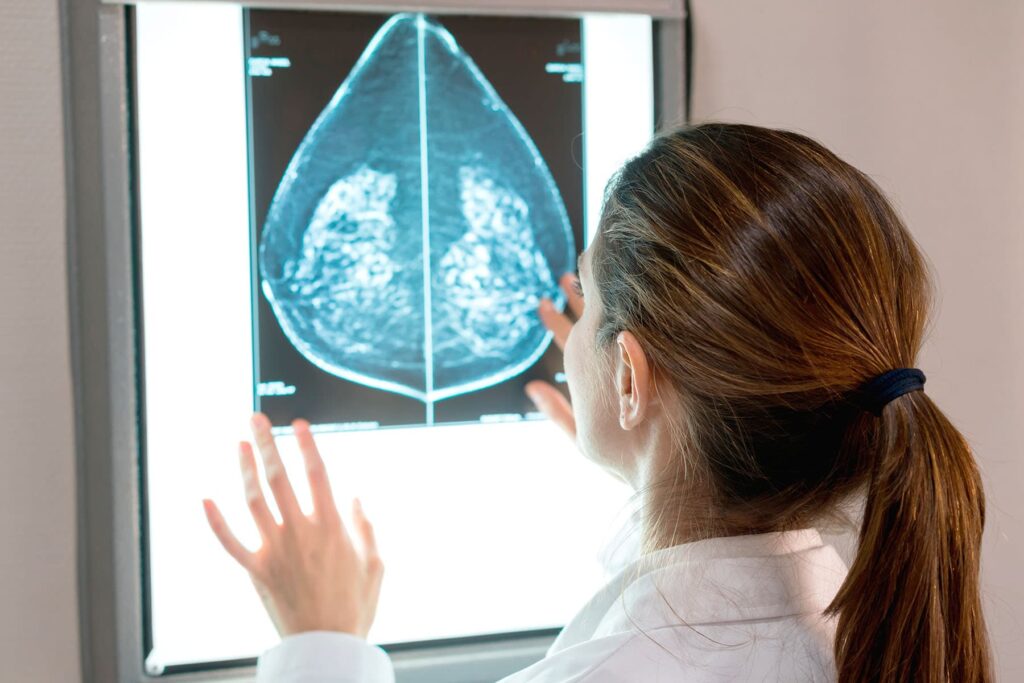
                doctor reading mammogram

                Mammograms can detect abnormalities such as:

                • Calcifications: Tiny mineral deposits that may indicate the presence of cancer.
                • Masses: Lumps or tumors, either cancerous or benign.
                • Asymmetry: Differences in breast tissue that may require further investigation.

                Radiologists, who specialize in reading medical imaging, examine the X-rays for irregularities. If something unusual is found, further tests, such as additional imaging or a biopsy, may be recommended to confirm whether cancer is present.

                The Importance of Early Detection

                The earlier breast cancer is detected, the better the chances of successful treatment. Here’s why early detection matters:

                1. More Treatment Options: When breast cancer is caught early, there are more treatment options available, including less invasive procedures. Surgery, radiation, hormone therapy, and chemotherapy may all be considered, depending on the stage and type of cancer.
                2. Improved Survival Rates: As mentioned earlier, the five-year survival rate for early-stage, localized breast cancer is 99%. When detected later, survival rates drop significantly.
                3. Less Aggressive Treatment: Early detection often means that the cancer has not spread beyond the breast, reducing the need for aggressive treatments such as mastectomy or extensive chemotherapy.

                When Should You Get a Mammogram?

                One of the most common questions women ask is, When should I start getting mammograms?

                The general guidelines from most medical organizations recommend that women start annual screening mammograms at age 40. However, the exact age to start and the frequency of screenings depends on your risk factors, including:

                • Family History: If you have a close relative (mother, sister, or daughter) who has had breast cancer, you may need to start screening earlier.
                • Genetics: Women with certain genetic mutations, such as BRCA1 and BRCA2, are at a higher risk and may need more frequent or earlier screenings.
                • Other Risk Factors: Dense breast tissue, previous chest radiation, or a personal history of breast abnormalities also increase your risk and may warrant earlier screenings.

                It is important to discuss your risk factors with your healthcare provider to develop a screening plan that is right for you.

                Common Concerns About Mammograms

                Many women delay or avoid getting mammograms due to fear or misconceptions. Let’s address some of the most common concerns:

                “Mammograms are Painful”

                While mammograms can be uncomfortable due to the compression of breast tissue, the discomfort is brief, usually lasting only a few seconds. Most women describe it as pressure rather than pain. If you are concerned about discomfort, scheduling your mammogram for a time when your breasts are less tender, such as after your menstrual cycle, can help minimize discomfort.

                “I Don’t Have Any Symptoms, So I Don’t Need a Mammogram”

                Breast cancer often develops without any noticeable symptoms. When a lump can be felt, the cancer may already be in a more advanced stage. Screening mammograms are crucial for detecting cancer before symptoms appear, which is why they are recommended even if you feel perfectly healthy.

                “I’m Worried About Radiation Exposure”

                The amount of radiation exposure during a mammogram is very low. The benefits of early cancer detection far outweigh the risks associated with the small radiation dose. Modern digital mammography has further reduced radiation exposure compared to older methods.

                Integrating Mammograms Into Your Wellness Routine

                Just as you schedule annual check-ups, routine dental visits, or cholesterol screenings, mammograms should be a part of your regular wellness care plan. Taking proactive steps to care for your breast health can greatly improve your overall well-being.

                Here are some tips to help you incorporate mammograms into your wellness routine:

                1. Set a Reminder: Schedule your mammogram for the same month each year. Many women find that October, during Breast Cancer Awareness Month, is a good time to remember. You can also set reminders in your phone or calendar to stay on track.
                2. Pair It With Other Health Screenings: Many healthcare providers offer comprehensive wellness exams, including mammograms, blood pressure checks, and other routine screenings. At Sana Vida Wellness Center, we provide a variety of wellness services, including chronic disease management, weight loss management, and hormone replacement therapy to support your overall health.
                3. Talk to Your Friends and Family: Encourage the women in your life to get their mammograms as well. Breast cancer affects not just individuals but families and communities, and spreading awareness can save lives.

                Practical Advice for Your Next Mammogram

                If you’re ready to schedule your mammogram, here are a few tips to make the process easier:

                • Wear a two-piece outfit: You’ll need to undress from the waist up, so wearing a skirt or pants can make you feel more comfortable.
                • Avoid deodorants, lotions, and perfumes: These products can interfere with the mammogram images.
                • Stay relaxed: While it’s normal to feel anxious, remember that mammograms are quick and one of the most important tools for early detection.

                Make Breast Cancer Screening a Priority

                Breast Cancer Awareness Month is a reminder that taking care of our health should always be a top priority. Mammograms are a crucial part of wellness care, offering the best chance for early detection and successful treatment of breast cancer. By scheduling regular screenings and encouraging the women in your life to do the same, you are taking an active role in safeguarding your health and the health of your community.

                At Sana Vida Wellness Center, we are committed to supporting your wellness journey. Whether you need assistance with primary care, chronic disease management, or any of our other services like weight loss management and hormone replacement therapy, we are here to help. Book your appointment today and take the first step toward better health.

                Stay proactive, stay informed, and remember—early detection saves lives.


                Internal Links:

                External References:


                Set Point Theory: Revolutionize Your Weight Loss Journey

                person weighing themselves on a scale
                Ever wonder why losing weight—and keeping it off—feels like an uphill battle? What if the key isn't just in dieting harder or exercising more, but in resetting your body's natural weight "set point"?

                Introduction

                If you’ve ever tried to lose weight only to regain it later, you’re not alone. Studies show that approximately 80% of people who lose weight will regain it within a year1. This frustrating cycle isn’t just about willpower or discipline; it’s deeply rooted in your body’s biological mechanisms. Welcome to the concept of the Set Point Theory—a revolutionary way to understand weight management that could change your life.


                Understanding the Set Point Theory

                What Is the Set Point Theory?

                The Set Point Theory suggests that each person’s body has a predetermined weight range that it naturally gravitates toward. This “set point” is regulated by complex interactions between hormones, genetics, and environmental factors.

                The Science Behind Your Body’s Weight Regulation

                Your body strives for homeostasis—a state of internal balance. When you lose weight, your body may interpret this as a threat to survival, triggering mechanisms to regain that weight. Hormones like leptin and ghrelin play significant roles in hunger and satiety signals, pushing you back toward your set point.


                Why Traditional Weight Loss Methods Fail

                The Body’s Resistance to Change

                Traditional diets often focus on rapid weight loss through calorie restriction. However, severe calorie deficits can slow down your metabolism, making it harder to lose weight and easier to gain it back.

                The Role of Metabolism

                When you lose weight quickly, your metabolism adapts by burning fewer calories. This metabolic slowdown is a defense mechanism to preserve energy stores, nudging you back to your original weight.


                Strategies for Long-Term Weight Loss Success

                Mindful Nutrition

                Eat Whole Foods: Focus on nutrient-dense foods like fruits, vegetables, lean proteins, and whole grains.

                Balanced Macronutrients: Ensure a proper balance of carbohydrates, proteins, and fats to satisfy your body.

                Hydration: Drink plenty of water to aid digestion and regulate hunger.

                Effective Exercise Routines

                Consistency Over Intensity: Regular moderate exercise is more sustainable than sporadic intense workouts.

                Mix It Up: Combine cardio with strength training to boost metabolism and muscle mass.

                Enjoyment Factor: Choose activities you enjoy to make exercise a rewarding part of your routine.

                Stress Management

                Mindfulness Practices: Techniques like meditation and deep-breathing exercises can lower stress hormones contributing to weight gain.

                Time Management: Organize your schedule to reduce overwhelm and make time for self-care.

                Quality Sleep

                Establish a Routine: Go to bed and wake up at the same time each day to regulate your body’s internal clock.

                Sleep Environment: Create a restful environment free from distractions like electronics.

                Medical Weight Loss Management

                Professional Guidance: Medical experts can offer personalized plans that address underlying issues affecting weight.

                Customized Programs: Tailored strategies consider your unique biology, lifestyle, and preferences.


                Hormone Replacement Therapy and Weight Loss

                Understanding Hormones and Weight

                Hormones like insulin, cortisol, and thyroid hormones significantly impact weight regulation, and imbalances can hinder weight loss efforts.

                How Hormone Replacement Therapy Helps

                Restoring Balance: Hormone Replacement Therapy (HRT) can correct imbalances, making it easier to lose weight.

                Enhanced Metabolism: Balanced hormones improve metabolic rate, aiding in long-term weight management.

                Learn more about our Hormone Replacement Therapy at Sana Vida Wellness Center.


                Practical Steps to Reset Your Set Point

                Step-by-Step Guide

                1. Consult a Professional: Seek medical advice to understand your body’s needs.
                2. Gradual Lifestyle Changes: Implement small, sustainable changes in diet and exercise.
                3. Monitor Progress: Keep track of your habits and results to stay motivated.
                4. Adjust as Needed: Be flexible and adjust your plan based on what works for you.
                5. Stay Consistent: Consistency is key to resetting your set point over time.

                Success Stories

                At Sana Vida Wellness Center, we’ve helped countless individuals achieve lasting weight loss by understanding and working with their set point.

                Read about Jane’s journey to a healthier life.


                Conclusion

                Understanding the Set Point Theory offers a new perspective on weight loss—a shift from battling your body to working with it. Adopting sustainable lifestyle changes and seeking professional guidance can reset your set point and achieve lasting success.


                Take the Next Step with Sana Vida Wellness Center

                Ready to transform your weight loss journey? Contact us at (210) 879-4275 to schedule a virtual wellness consultation with Dr. P. John Schanen, APRN. We offer online consultations and ongoing wellness care for Texas, Colorado, Wyoming, Virginia, New Mexico, Arizona, and Florida residents.

                Visit our Wellness Services page to explore all we offer.


                References


                Embark on a journey to wellness with us at Sana Vida Wellness Center.

                Footnotes

                1. National Institute of Health. (2021). Long-term weight management and set point theory. Retrieved from NIH Website.

                NEWSLETTER

                Sign up for good health and wellness information.