

Latest News

Promoting a Healthy Lifestyle – Building Brighter Futures

Perimenopause Symptoms: What’s Normal and When to Get Help

Close-up of a gray-haired middle-aged woman resting her head on her arm with a tired, worried expression

Irregular periods, night sweats, restless sleep, mood swings you can’t explain. For many women in their 40s, these changes arrive before anyone mentions the word menopause. They are often perimenopause symptoms, a normal stage of life that can still have a real impact on how you feel day to day.

This guide explains what perimenopause is, the symptoms that are common, the signs that deserve a closer look and the options you can discuss with a clinician.

What Is Perimenopause?

Perimenopause is the transition leading up to menopause. Menopause itself is defined as 12 months in a row without a period, and in the U.S. it happens at an average age of about 51. Perimenopause often begins in the 40s, sometimes earlier, and can last anywhere from a few years to around a decade. During this time, estrogen and progesterone levels rise and fall unpredictably rather than declining in a straight line, which is why symptoms can come and go.

Common Perimenopause Symptoms

Every woman’s experience is different. Some notice very little, while others find symptoms disruptive. Common signs include:

1. Changes in your period

Cycles may get shorter or longer, flow may be lighter or heavier, and you may skip periods. This is often the first sign.

2. Hot flashes and night sweats

Sudden waves of heat, flushing and sweating are among the best-known symptoms. At night they can soak sheets and interrupt sleep.

3. Sleep problems

Trouble falling or staying asleep is common, sometimes from night sweats and sometimes on its own.

4. Mood changes

Irritability, anxiety, low mood or feeling less resilient to stress can show up during this transition. Women with a history of depression may be more vulnerable to a recurrence.

5. Brain fog

Forgetfulness and trouble concentrating are frequently reported and usually improve over time.

6. Vaginal dryness and changes in sex drive

Lower estrogen can thin and dry vaginal tissue, which may make sex uncomfortable. Libido may also change.

7. Bladder changes

Some women notice more urgency, leaking or urinary tract infections.

8. Joint aches, weight changes and other shifts

Achy joints, headaches and weight gain around the midsection are also common, along with gradual bone loss that you can’t feel.

When to Get Help

Perimenopause is normal, but you don’t have to just put up with symptoms that affect your life. Talk with a clinician if symptoms interfere with sleep, work or relationships. Some changes should always be checked promptly, because they can have other causes:

  • Very heavy bleeding, such as soaking through a pad or tampon every hour or two
  • Periods that last much longer than usual, or bleeding between periods or after sex
  • Any bleeding after you have gone 12 months without a period
  • Periods that come closer than about three weeks apart
  • Feelings of hopelessness or thoughts of self-harm. If you’re in crisis, call or text 988 right away

Conditions That Can Look Similar

Thyroid problems, anemia, depression, sleep disorders and certain medications can cause symptoms that overlap with perimenopause. Pregnancy is still possible during perimenopause, too, so contraception is worth discussing if you don’t want to become pregnant. Hormone levels swing so much in this stage that a single blood test often can’t confirm perimenopause; diagnosis is usually based on your age, symptoms and cycle history, with labs used to rule out other causes.

Treatment Options to Discuss

Lifestyle steps help many women: regular exercise, strength training for bone health, a consistent sleep routine, limiting alcohol and caffeine, and dressing in layers for hot flashes. For more bothersome symptoms, options may include:

  • Hormone therapy, which is the most effective treatment for hot flashes and night sweats for many women. It comes in different forms, including pills, patches, creams and, for some patients, pellets
  • Low-dose vaginal estrogen or moisturizers for dryness and discomfort
  • Non-hormonal prescription medications for hot flashes, for women who can’t or prefer not to use hormones

Hormone therapy isn’t right for everyone. It may not be recommended for women with a history of certain cancers, blood clots, stroke, heart disease or liver disease. Women who still have a uterus generally need a progestogen along with estrogen to protect the uterine lining. Your clinician will walk through your personal benefits and risks, and individual results vary.

Learn more about estrogen and women’s health.

Getting Care by Telehealth With Sana Vida

Sana Vida Wellness Center is a virtual clinic. Your evaluation and follow-up visits happen by telehealth, so you can talk with a clinician from home or work. We see patients virtually across Texas, including Bandera and San Antonio, as well as in Wyoming, Virginia, Florida, New Mexico, Arizona and Colorado. The one exception to virtual care is hormone pellet insertion, which is done in person at our San Antonio clinic for patients who choose pellets.

Care is led by Dr. P. John Schanen, DNP, APRN, FNP-C, ENP-C, a board-certified family and emergency nurse practitioner. Pricing is simple: a $99 consultation plus a $159 monthly membership per service line, with discounts when you combine more than one service line.

Frequently Asked Questions

How long does perimenopause last?

It varies. For some women it’s a couple of years; for others it lasts closer to ten. It ends once you’ve gone 12 months without a period.

Can I be in perimenopause in my 30s?

It’s less common, but some women notice changes in their late 30s. Symptoms at a younger age are worth evaluating to rule out other causes.

Do I need a blood test to know I’m in perimenopause?

Not always. Because hormone levels fluctuate, diagnosis usually relies on your symptoms and cycle history. Your clinician may order labs to rule out thyroid problems or other conditions.

Take the Next Step

If these symptoms sound familiar, you don’t have to sort it out alone. Book a virtual visit with Sana Vida Wellness Center to talk with a clinician about what you’re experiencing and the options that fit you. You can also call us at (210) 879-4275 or email john@sanavidawellness.com.

This article is for educational purposes only and is not a substitute for personalized medical advice, diagnosis or treatment.

Semaglutide vs. Tirzepatide: What’s the Difference?

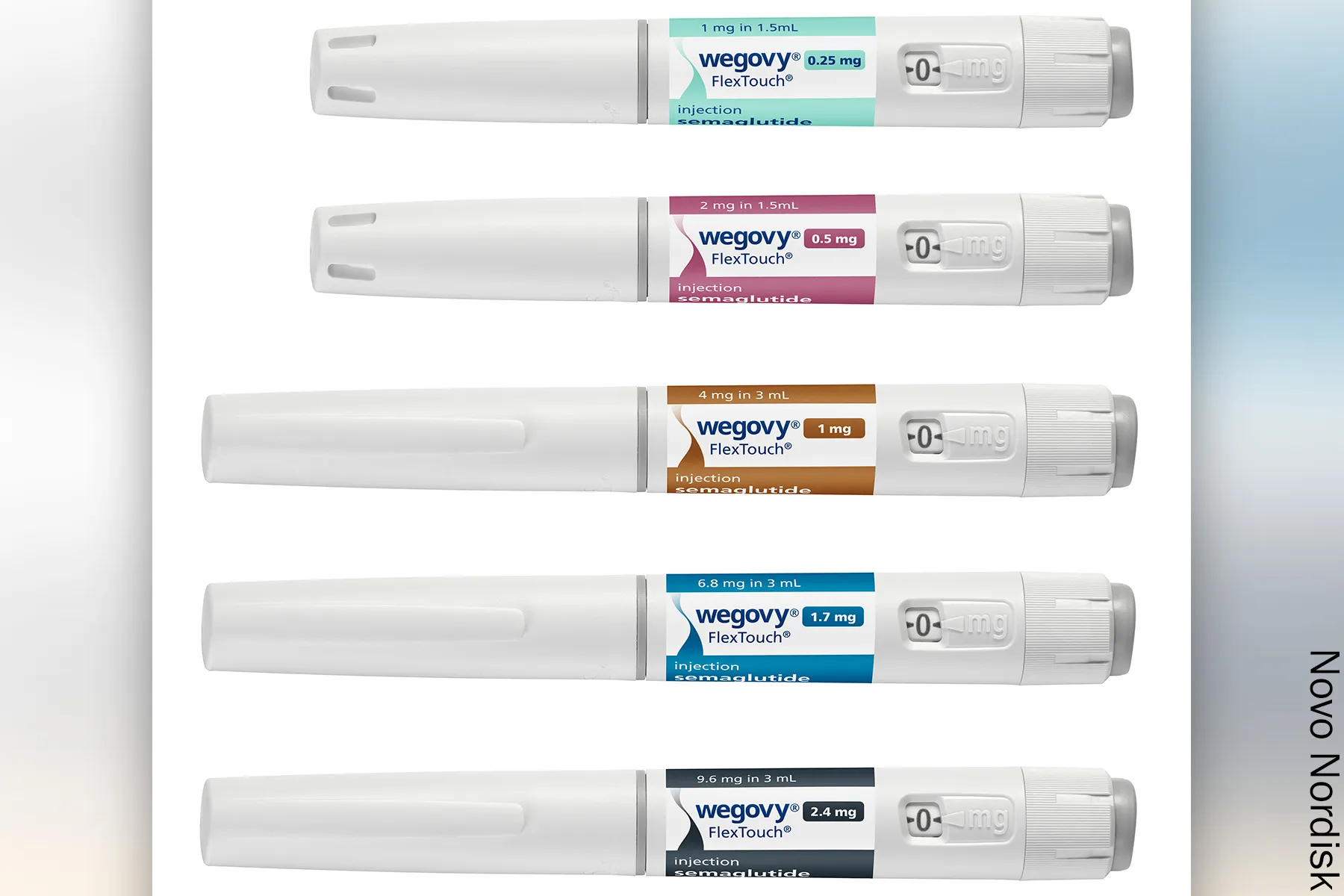
Five white Wegovy FlexTouch semaglutide injection pens in different dose strengths, lined up in a row

If you’ve been researching medical weight loss, you’ve almost certainly seen two names come up again and again: semaglutide and tirzepatide. Both are prescription injections taken once a week, and both have helped many people lose a meaningful amount of weight. So what’s the real difference? This guide breaks down semaglutide vs tirzepatide in plain language: how each one works, what the research shows, common side effects and who may be a good candidate.

Only a clinician who knows your health history can tell you which option, if either, fits you. But understanding the basics will help you have a better conversation.

How These Medications Work

Both medications mimic hormones your gut naturally releases after you eat. These hormones signal fullness to the brain, slow how quickly the stomach empties and help the body manage blood sugar. The result for many people is smaller appetite, fewer cravings and less “food noise.”

Semaglutide

Semaglutide is a GLP-1 receptor agonist. It acts on one hormone pathway, GLP-1. It is the active ingredient in Wegovy, which is FDA-approved for chronic weight management, and Ozempic, which is approved for type 2 diabetes.

Tirzepatide

Tirzepatide acts on two pathways: GLP-1 and a second gut hormone called GIP. It is the active ingredient in Zepbound, approved for chronic weight management, and Mounjaro, approved for type 2 diabetes.

Semaglutide vs. Tirzepatide: Key Differences

  • Mechanism: semaglutide targets GLP-1; tirzepatide targets both GLP-1 and GIP.
  • Average weight loss in studies: in large clinical trials, people taking semaglutide 2.4 mg lost about 15% of their body weight on average over roughly 68 weeks, while people taking the highest doses of tirzepatide lost about 20% over 72 weeks. A head-to-head trial also found greater average weight loss with tirzepatide. Averages are not promises, and individual results vary widely.
  • Dosing: both are once-weekly injections started at a low dose and increased gradually over several months to limit side effects.
  • Experience and track record: semaglutide has been on the market longer, so there is more long-term data, including a large trial showing reduced risk of heart attack and stroke in adults with heart disease and excess weight.
  • Cost and coverage: prices and insurance coverage vary and change often. Check with your insurance carrier about your specific plan.

Common Side Effects

The side effects of the two medications are similar. The most common are digestive: nausea, diarrhea, constipation, vomiting, heartburn and a feeling of fullness. These tend to be strongest when starting or increasing a dose and often ease over time. Eating smaller meals, slowing down and limiting greasy foods can help.

Less common but more serious risks include pancreatitis, gallbladder problems, kidney problems related to dehydration and low blood sugar in people who also take certain diabetes medications. Both carry a warning about a type of thyroid tumor seen in animal studies, so they are not used in people with a personal or family history of medullary thyroid cancer or multiple endocrine neoplasia type 2 (MEN 2). They should not be used during pregnancy. Tell your clinician right away about severe stomach pain, persistent vomiting or signs of an allergic reaction.

Who May Be a Candidate?

FDA-approved weight management versions of these medications are generally meant for adults who have:

  • A body mass index (BMI) of 30 or higher, or
  • A BMI of 27 or higher plus at least one weight-related condition, such as high blood pressure, type 2 diabetes, high cholesterol or sleep apnea

Your clinician will also review your medical history, current medications, family history and goals before recommending anything.

Medication Is One Part of the Plan

These medications work best alongside nutrition, physical activity, sleep and steady follow-up. Getting enough protein and doing strength training can help protect muscle while you lose weight. Research also shows that many people regain some weight after stopping, so it’s worth talking with your clinician about a long-term plan from the start. Our medical weight loss program is built around that kind of ongoing support.

Learn more about set point theory.

Getting Care by Telehealth With Sana Vida

Sana Vida Wellness Center is a virtual clinic. Your evaluation and follow-up visits happen by telehealth, so you can talk with a clinician from home or work. We see patients virtually across Texas, including San Antonio, through our telehealth program, as well as in Wyoming, Virginia, Florida, New Mexico, Arizona and Colorado. The one exception to virtual care is hormone pellet insertion, which is done in person at our San Antonio clinic for patients who choose pellets.

Care is led by Dr. P. John Schanen, DNP, APRN, FNP-C, ENP-C, a board-certified family and emergency nurse practitioner. Pricing is simple: a $99 consultation plus a $159 monthly membership per service line, with discounts when you combine more than one service line.

Frequently Asked Questions

Is tirzepatide better than semaglutide?

On average, studies have shown somewhat more weight loss with tirzepatide. “Better” depends on the person, though, including how well you tolerate the medication, your other health conditions, availability and cost. Your clinician can help you weigh those factors.

Can I switch from one to the other?

Sometimes. Switching is a decision to make with your clinician, who will choose the right starting dose and timing for you.

How quickly will I see results?

Many people notice a smaller appetite within the first few weeks, but weight loss usually builds gradually as the dose is increased over several months.

Take the Next Step

Curious whether a GLP-1 medication could be part of your plan? Book a virtual visit with Sana Vida Wellness Center to talk through your health history and goals with a clinician. You can also call us at (210) 879-4275 or email john@sanavidawellness.com.

This article is for educational purposes only and is not a substitute for personalized medical advice, diagnosis or treatment.

9 Signs of Low Testosterone in Men, and When to Get Tested

Man discussing low testosterone symptoms during a virtual visit

Feeling tired, losing interest in sex, or noticing that workouts don’t build muscle like they used to? It’s easy to write these changes off as “just getting older.” Sometimes that’s true. But they can also be low testosterone symptoms, and the only way to know is to look at the full picture, including a simple blood test.

This guide walks through nine common signs of low testosterone in men, other conditions that can look similar, and when it makes sense to get tested.

What Testosterone Does in the Body

Testosterone is the main male sex hormone. Beyond sex drive, it helps maintain muscle mass and strength, bone density, red blood cell production, fat distribution, energy and mood. Levels naturally drift downward with age, usually gradually, starting in a man’s 30s or 40s. For some men, levels fall low enough to cause noticeable symptoms. Medical guidelines call this testosterone deficiency, or hypogonadism, when symptoms and consistently low lab results show up together.

9 Common Signs of Low Testosterone in Men

No single symptom proves that testosterone is low, and many men have only a few of these. Pay attention to patterns that last for weeks or months rather than a rough few days.

1. Lower sex drive

A noticeable drop in libido is one of the most common signs. Testosterone plays a central role in sexual desire, so a steady decline in interest is worth mentioning to a clinician.

2. Changes in erections

Testosterone supports healthy sexual function, including spontaneous morning erections. Erectile changes have many possible causes, including blood vessel health, diabetes and medications, so they deserve a proper evaluation either way.

3. Ongoing fatigue and low energy

Feeling drained even after a full night’s sleep, or losing the drive to do things you used to enjoy, can be linked to low testosterone.

4. Loss of muscle mass and strength

Because testosterone helps the body build and keep muscle, men with low levels may notice they’re weaker or that strength training isn’t paying off the way it once did.

5. More body fat, especially around the belly

Low testosterone and extra abdominal fat often travel together, and the relationship runs both ways: excess body fat can lower testosterone, and low testosterone can make it easier to gain fat.

6. Mood changes and irritability

Some men feel more irritable, down or unmotivated. These changes can overlap with depression, which should always be evaluated on its own terms.

7. Trouble focusing

“Brain fog,” poor concentration or a shorter attention span are commonly reported, though they have many other possible causes too.

8. Poor sleep

Sleep and testosterone are closely connected. The body produces much of its testosterone during sleep, so chronic short sleep can lower levels, and low levels may in turn affect sleep quality.

9. Thinning body hair or weaker bones

Over time, low testosterone can lead to less body or facial hair and lower bone density. Bone loss is usually silent, which is one reason testing matters when other symptoms are present.

Conditions That Can Look Like Low Testosterone

Many of the signs above are not specific to testosterone. A careful evaluation also considers:

  • An underactive thyroid, which can cause fatigue, weight gain and low mood
  • Sleep apnea and other sleep problems
  • Depression, anxiety and chronic stress
  • Type 2 diabetes, high blood pressure and excess weight
  • Side effects of certain medications, as well as heavy alcohol use

Sorting these out is important, because treating the underlying cause can sometimes improve symptoms, and testosterone levels, on its own.

When Should You Get Tested?

Consider talking with a clinician about testosterone testing if:

  • You’ve had several of the symptoms above for more than a few weeks
  • Your sex drive or sexual function has changed noticeably
  • You have a condition often linked with low testosterone, such as type 2 diabetes, obesity or sleep apnea
  • You’ve been told you have low bone density or anemia without a clear reason

Testing isn’t recommended just because of age. Symptoms are what point the way.

How Testosterone Testing Works

Testosterone is checked with a blood test. Because levels are usually highest in the morning and can vary from day to day, guidelines recommend an early-morning blood draw, and a low result is typically confirmed with a second test on a different day. Your clinician may also check related labs, such as free testosterone, the pituitary hormones that signal the testes, a blood count, and other markers based on your age and health history. A diagnosis is based on your symptoms and your lab results together, not a single number.

What Treatment Can Look Like

If testing confirms low testosterone, there are several paths to discuss. Sleep, nutrition, physical activity, weight management and alcohol habits all affect hormone levels, so lifestyle steps are often part of the plan. For men who are good candidates, hormone replacement therapy may be an option. Testosterone can be delivered in different forms, including topical products, injections and hormone pellets placed under the skin.

Testosterone therapy isn’t right for everyone. It can affect fertility by lowering sperm production, so men who are planning to have children should say so up front. It also requires follow-up lab monitoring, including blood counts, to keep treatment safe. A good clinician will walk through the benefits and risks with you, and individual results vary.

Learn more about online testosterone therapy in Texas.

Getting Evaluated by Telehealth With Sana Vida

Sana Vida Wellness Center is a virtual clinic. Your evaluation and follow-up visits happen by telehealth, so you can talk with a clinician from home or work. We see patients virtually across Texas, including San Antonio, as well as in Wyoming, Virginia, Florida, New Mexico, Arizona and Colorado. The one exception to virtual care is hormone pellet insertion, which is done in person at our San Antonio clinic for patients who choose pellets.

Care is led by Dr. P. John Schanen, DNP, APRN, FNP-C, ENP-C, a board-certified family and emergency nurse practitioner. Pricing is simple: a $99 consultation plus a $159 monthly membership per service line, with discounts when you combine more than one service line.

Frequently Asked Questions

At what age does testosterone start to decline?

For most men, testosterone declines slowly and gradually starting in their 30s or 40s. Many men never develop symptoms, while others notice changes that are worth evaluating.

Can I check my testosterone without an in-person visit?

Yes. With Sana Vida, the consultation happens by telehealth, and your clinician will order the blood work and explain how to complete it before reviewing the results with you virtually.

Can lifestyle changes raise low testosterone?

Sometimes. Better sleep, regular exercise, losing excess weight and cutting back on alcohol can support healthier hormone levels. How much they help depends on the cause, which is why an evaluation is a good first step.

Take the Next Step

If several of these signs sound familiar, you don’t have to guess. Book a virtual visit with Sana Vida Wellness Center to talk through your symptoms and find out whether testing makes sense for you. You can also call us at (210) 879-4275 or email john@sanavidawellness.com.

This article is for educational purposes only and is not a substitute for personalized medical advice, diagnosis or treatment.

Medicare Advantage Changes in Texas for 2027: What to Know and What to Do

Medicare Advantage changes in Texas for 2027

If you have a Medicare Advantage plan in Texas, check your mail. Several plans that many Texans rely on will not be offered in 2027. That includes plans from Blue Cross and Blue Shield of Texas (BCBSTX), CHRISTUS Health Plan and Memorial Hermann Health Plan. Change can feel stressful, but there is time, there are options, and free help is available. Here is a plain-language overview.

What is changing for 2027

Blue Cross and Blue Shield of Texas. BCBSTX says that starting January 1, 2027, it will no longer offer its Blue Cross Medicare Advantage plans. Its parent company’s announcement also covers its Blue Cross MedicareRx (PDP) drug plans and its Dual Care Plus (HMO D-SNP) plans. News reports say BCBSTX offered Medicare Advantage in about 227–228 of Texas’s 254 counties in 2026. The parent company, HCSC, still offers Medicare Advantage under its HealthSpring brand, but in far fewer Texas counties (reported at about 47).

CHRISTUS Health Plan. CHRISTUS Health Plan is ending its Medicare Advantage plans (Guardian, Plus and Complete HMOs) on December 31, 2026. Reports say it offered them in 36 Texas counties. CHRISTUS says clearly that CHRISTUS Health is not going away. Its hospitals, physicians and clinics stay open. You can still see CHRISTUS providers if your new plan includes them, or if you choose Original Medicare.

Memorial Hermann Health Plan. Memorial Hermann is closing its Memorial Hermann Advantage HMO, which served six Houston-area counties and about 14,000 members. Coverage stays in place through December 31, 2026. As with CHRISTUS, this is the health plan closing, not the hospital system.

Other plan changes. CMS data compiled by independent sites show other insurers also discontinued certain Texas plans for 2027, while many of those same insurers still offer other plans. Your plan’s Annual Notice of Change (ANOC) or non-renewal letter is the best source for your situation.

An important clarification: None of this means these hospitals are leaving Medicare. It means some insurance plans are ending. Your Part A and Part B coverage is not affected.

Your key dates

  • October 15 – December 7, 2026: Medicare Open Enrollment. Choose a new plan by December 7 so coverage starts January 1, 2027.
  • Special Enrollment Period: If your plan is ending, you generally have a special period to choose a new health or drug plan, and it runs past December 7. Memorial Hermann, for example, lists February 28, 2027. Check your own letter for the exact date.
  • If you do nothing: you will generally go back to Original Medicare on January 1, 2027. You may not have Part D drug coverage unless you choose a plan, and a late-enrollment penalty for Part D can apply later.

Original Medicare, Medigap and Part D: what to know

Some people may decide to switch from Medicare Advantage to Original Medicare. If you do, there are three things to know:

  1. Medigap guaranteed issue. When your Medicare Advantage plan leaves your area, Texas law gives you a guaranteed-issue right to buy certain Medicare Supplement (Medigap) plans without medical underwriting. This right generally lasts 63 days from the later of the date of your notice or the date your coverage ends. CHRISTUS lists March 4, 2027 as its members’ Medigap deadline. Keep your plan’s termination letter. It is your proof.
  2. Texas has no “birthday rule.” Once that window closes, switching Medigap plans later usually means answering health questions. That makes the timing of your decision important.
  3. Part D. Original Medicare does not include drug coverage, so plan to choose a stand-alone Part D plan.

Will I be able to find doctors who take Original Medicare?

This is a fair question, and the data are mostly reassuring. In a KFF analysis of federal survey data, 89% of non-pediatric office-based physicians were accepting new Medicare patients in 2019. That is about the same as for private insurance (91%). Newer federal data from 2021 put the figure at about 89%. Fewer than 2% of physicians in most states have formally opted out of Medicare. With Original Medicare, you can generally see any provider in the country who accepts Medicare, without a network.

It’s not equal everywhere, though:

  • Primary care (83%) and especially psychiatry (60%) had lower rates of accepting new Medicare patients than surgical specialties (96%).
  • Payment pressure is real. CMS’s proposed 2027 Physician Fee Schedule would lower the main payment rate by about 1.2–1.7% compared with 2026, mostly because a one-year 2.5% boost expires. This is a proposal; the final rule usually comes out in November. Over time, payment rates that don’t keep up with practice costs can affect how many new patients some practices take, especially in rural areas.
  • Local availability depends on your area and specialty. These surveys don’t measure wait times. We could not find a reliable Texas-specific acceptance rate for 2025–2026, so we won’t guess.

The practical tip: before you choose, call the specialists you see most and ask, “Do you accept Original Medicare, and are you taking new patients?” If you are choosing a new Medicare Advantage plan, ask whether they’re in that plan’s network.

How to choose with confidence

  • Read your ANOC or non-renewal letter.
  • List your doctors, specialists, hospitals and prescriptions.
  • Compare plans at Medicare.gov/plan-compare or call 1-800-MEDICARE (1-800-633-4227), available 24/7.
  • Get free, unbiased counseling from Texas HICAP (the Health Information Counseling and Advocacy Program, Texas’s SHIP): 1-800-252-9240.
  • Don’t wait until December 7.

Learn more about direct primary care.

Learn more about telehealth visits.

How Innovative Primary Care can help

At Innovative Primary Care, part of Privia Medical Group, we are fully enrolled in Medicare and focused on primary care with purpose and accessibility for teens and adults ages 15 and older in San Antonio, Bandera and Rockport. A steady primary care home can make a coverage change easier. We can review your care needs, keep your records organized, and help coordinate referrals to specialists.

Plan networks vary, so if you are choosing a Medicare Advantage plan, call us to check whether we’re in your plan’s network. We’re happy to help you sort out the care side so you can make your coverage decision with confidence.

Learn more or schedule at www.innovativeprimarycaretx.com.

Sources

Disclaimer: This article is general information, not legal, insurance or medical advice, and is current as of October 28, 2026. Plan details vary by county and can change. Confirm your options with your plan, 1-800-MEDICARE, Medicare.gov or Texas HICAP. Innovative Primary Care does not sell or recommend insurance plans.

October Is Breast Cancer Awareness Month

Two women walking and talking
October marks Breast Cancer Awareness Month, an annual campaign dedicated to raising awareness about breast cancer and encouraging women to take charge of their health by getting regular mammograms.

Screening Mammograms: Vital for Wellness Care

October marks Breast Cancer Awareness Month, an annual campaign dedicated to raising awareness about breast cancer and encouraging women to take charge of their health by getting regular mammograms. While breast cancer is a condition that affects millions of women worldwide, it is also one of the most treatable forms of cancer when detected early. Screening mammograms plays a critical role in early detection, helping to reduce breast cancer mortality rates and empower individuals to live longer, healthier lives.

two women hugging

But why is it so important to get screened? Many women put off their mammograms due to fear, lack of time, or misconceptions about their necessity, especially if they feel healthy. In this blog post, we will delve into the importance of mammograms as part of your wellness care routine and how regular screenings can significantly increase the chances of early detection and successful breast cancer treatment.

Understanding Breast Cancer

Breast cancer is the most common cancer diagnosed in women worldwide, and according to the American Cancer Society, approximately 1 in 8 women in the U.S. will develop breast cancer in their lifetime. In 2023, an estimated 297,790 new cases of invasive breast cancer are expected to be diagnosed in women in the United States alone.

While these numbers may seem alarming, the good news is that early detection through screening can dramatically improve survival rates. Research shows that the five-year survival rate for breast cancer, when detected at an early, localized stage, is 99%. This is where the importance of screening mammograms comes into play.

What is a Screening Mammogram?

A screening mammogram is a specific type of breast X-ray that helps detect breast cancer in women who have no symptoms. It’s different from a diagnostic mammogram, which is used when a lump or other signs of breast cancer are already present.

Screening mammograms are designed to catch abnormalities very early—often before they can be felt. These low-dose X-rays create images of breast tissue, allowing healthcare providers to identify any suspicious areas. By getting regular mammograms, women increase their chances of identifying breast cancer early, when it is most treatable.

Why October is Breast Cancer Awareness Month

Breast Cancer Awareness Month (BCAM) started in 1985 as a joint effort between the American Cancer Society and the pharmaceutical division of Imperial Chemical Industries. The goal was to promote mammograms as the most effective way to detect breast cancer early. Since then, it has grown into a global movement that emphasizes the importance of education, prevention, and early detection of breast cancer.

The iconic pink ribbon, now synonymous with breast cancer awareness, symbolizes solidarity and hope for those affected by the disease. During October, healthcare organizations, communities, and individuals worldwide come together to spread the message that early detection saves lives.

The Science Behind Screening Mammograms

You may be wondering, How exactly do mammograms work?

Mammograms use low-dose X-rays to capture images of the breast. The breast is compressed between two plates to spread the tissue and obtain clear images. While this can be slightly uncomfortable, it is a necessary step to ensure any small changes in the breast are visible.

doctor reading mammogram

Mammograms can detect abnormalities such as:

  • Calcifications: Tiny mineral deposits that may indicate the presence of cancer.
  • Masses: Lumps or tumors, either cancerous or benign.
  • Asymmetry: Differences in breast tissue that may require further investigation.

Radiologists, who specialize in reading medical imaging, examine the X-rays for irregularities. If something unusual is found, further tests, such as additional imaging or a biopsy, may be recommended to confirm whether cancer is present.

The Importance of Early Detection

The earlier breast cancer is detected, the better the chances of successful treatment. Here’s why early detection matters:

  1. More Treatment Options: When breast cancer is caught early, there are more treatment options available, including less invasive procedures. Surgery, radiation, hormone therapy, and chemotherapy may all be considered, depending on the stage and type of cancer.
  2. Improved Survival Rates: As mentioned earlier, the five-year survival rate for early-stage, localized breast cancer is 99%. When detected later, survival rates drop significantly.
  3. Less Aggressive Treatment: Early detection often means that the cancer has not spread beyond the breast, reducing the need for aggressive treatments such as mastectomy or extensive chemotherapy.

When Should You Get a Mammogram?

One of the most common questions women ask is, When should I start getting mammograms?

The general guidelines from most medical organizations recommend that women start annual screening mammograms at age 40. However, the exact age to start and the frequency of screenings depends on your risk factors, including:

  • Family History: If you have a close relative (mother, sister, or daughter) who has had breast cancer, you may need to start screening earlier.
  • Genetics: Women with certain genetic mutations, such as BRCA1 and BRCA2, are at a higher risk and may need more frequent or earlier screenings.
  • Other Risk Factors: Dense breast tissue, previous chest radiation, or a personal history of breast abnormalities also increase your risk and may warrant earlier screenings.

It is important to discuss your risk factors with your healthcare provider to develop a screening plan that is right for you.

Common Concerns About Mammograms

Many women delay or avoid getting mammograms due to fear or misconceptions. Let’s address some of the most common concerns:

“Mammograms are Painful”

While mammograms can be uncomfortable due to the compression of breast tissue, the discomfort is brief, usually lasting only a few seconds. Most women describe it as pressure rather than pain. If you are concerned about discomfort, scheduling your mammogram for a time when your breasts are less tender, such as after your menstrual cycle, can help minimize discomfort.

“I Don’t Have Any Symptoms, So I Don’t Need a Mammogram”

Breast cancer often develops without any noticeable symptoms. When a lump can be felt, the cancer may already be in a more advanced stage. Screening mammograms are crucial for detecting cancer before symptoms appear, which is why they are recommended even if you feel perfectly healthy.

“I’m Worried About Radiation Exposure”

The amount of radiation exposure during a mammogram is very low. The benefits of early cancer detection far outweigh the risks associated with the small radiation dose. Modern digital mammography has further reduced radiation exposure compared to older methods.

Integrating Mammograms Into Your Wellness Routine

Just as you schedule annual check-ups, routine dental visits, or cholesterol screenings, mammograms should be a part of your regular wellness care plan. Taking proactive steps to care for your breast health can greatly improve your overall well-being.

Here are some tips to help you incorporate mammograms into your wellness routine:

  1. Set a Reminder: Schedule your mammogram for the same month each year. Many women find that October, during Breast Cancer Awareness Month, is a good time to remember. You can also set reminders in your phone or calendar to stay on track.
  2. Pair It With Other Health Screenings: Many healthcare providers offer comprehensive wellness exams, including mammograms, blood pressure checks, and other routine screenings. At Sana Vida Wellness Center, we provide a variety of wellness services, including chronic disease management, weight loss management, and hormone replacement therapy to support your overall health.
  3. Talk to Your Friends and Family: Encourage the women in your life to get their mammograms as well. Breast cancer affects not just individuals but families and communities, and spreading awareness can save lives.

Practical Advice for Your Next Mammogram

If you’re ready to schedule your mammogram, here are a few tips to make the process easier:

  • Wear a two-piece outfit: You’ll need to undress from the waist up, so wearing a skirt or pants can make you feel more comfortable.
  • Avoid deodorants, lotions, and perfumes: These products can interfere with the mammogram images.
  • Stay relaxed: While it’s normal to feel anxious, remember that mammograms are quick and one of the most important tools for early detection.

Make Breast Cancer Screening a Priority

Breast Cancer Awareness Month is a reminder that taking care of our health should always be a top priority. Mammograms are a crucial part of wellness care, offering the best chance for early detection and successful treatment of breast cancer. By scheduling regular screenings and encouraging the women in your life to do the same, you are taking an active role in safeguarding your health and the health of your community.

At Sana Vida Wellness Center, we are committed to supporting your wellness journey. Whether you need assistance with primary care, chronic disease management, or any of our other services like weight loss management and hormone replacement therapy, we are here to help. Book your appointment today and take the first step toward better health.

Stay proactive, stay informed, and remember—early detection saves lives.


Internal Links:

External References:


NEWSLETTER

Sign up for good health and wellness information.